FDA announces a recall of an acronym – HVP, or "hydrolyzed vegetable protein" – found in soups, sauces, chilis, stews, hot dogs, gravies, snack foods, dips and dressings. It could lead to the largest food recall in U.S. history. UPDATE: Pringles added to recall list.The U.S. Food and Drug Administration has announced a recall of millions of pounds of a product you've never heard of, made by a company you've never heard of, that's in a lot of foods you have not only heard of, but most certainly eaten. It's made by Basic Food Flavors Inc. in Las Vegas, Nevada and it's called HVP. (No, it's not the STD.) HVP is short for hydrolyzed vegetable protein, a ubiquitous food-like substance found in just about every category of processed foods available in American supermarkets.
Last month the New York Times ran a story about how cities across the country were making preparations for life with electric cars (EVs) and plug-in hybrids (PHEVs). Forward-thinking communities in a handful of places around the US are busy revising building code to require new structures that will be wired for car chargers. Utility companies are gearing up in preparation for the first wave of electric cars which is due to hit when the Nissan Leaf is introduced later this year. Pricing and tax incentives are getting hammered out, locations for the charging stations are getting sorted out, all in the belief that cars that use electricity have a future.
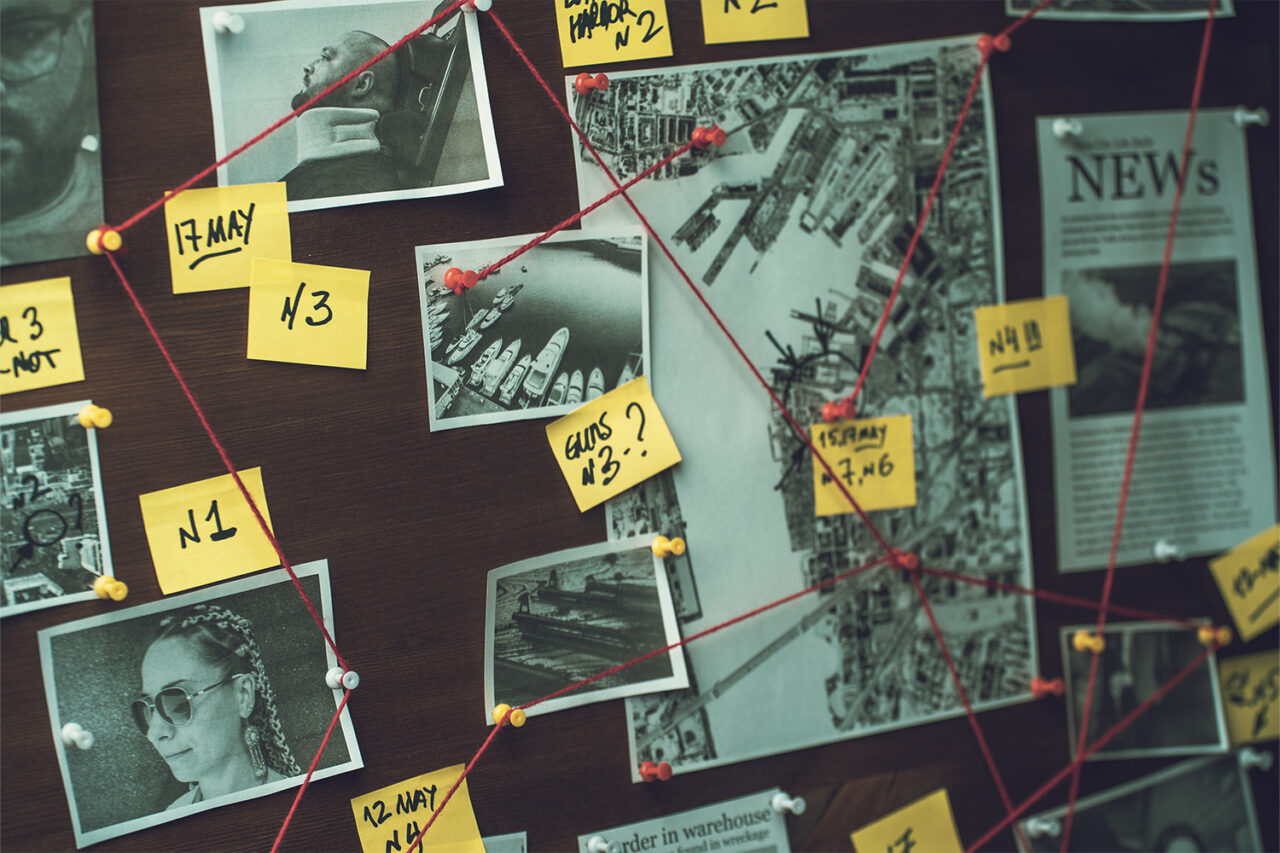
Save money on rising energy bills, while slashing your carbon footprint at the same time. All you need to do is hire an energy detective. Wait...what?! I'm not talking Sherlock Holmes -- I'm talking about an energy monitoring device. A good example is The Energy Detective (TED), which starts at $139.
The Energy Detective is a small display that indicates household electrical usage in real time and projects your monthly bill — all without using batteries. Research has found that real-time energy feedback leads consumers to reduce their electricity consumption. According to the company you'll save 15-20% on each bill, which would amount to hundreds of dollars a year.
Governor Doyle has signed to bills into law dealing with environmental issues, and two topics I've written about on the 1thing before.
The first is the BPA-Free Kids Act, which bans the sale of baby bottles and children's sippy cups that contain the chemical bisphenol-A. BPA can leach out of clear plastics, and into beverages and foods. Doyle says hundreds of studies have shown that can lead to harmful effects, especially among infants and young children at critical stages of development. Wisconsin is just the third state to enact a ban. It's hoped that as BPA is banned in more and more places, manufacturers will stop using it.
The second law just signed by Governor Doyle was Senate Bill 155, which allows donation of unused prescription medicine to community health care centers and other charitable organizations. This helps in two ways--getting medicine to people who need it, and keeping it out of landfills and water supplies.
It can be easy to be lazy about coupons and discounts. Who wants to read those annoying fliers or mailers anyway? However the savings speak for themselves: I'm talking $75+ worth of food for $50! And 70 cents off a gallon on my gas. Sound too good to be true?
The move away from the internal combustion engine and towards vehicle electrification in the transportation sector is viewed by many as just a matter of time. You know, as in inevitable. The world’s population of automobiles is growing at an unprecedented rate. Within the next year more new cars will be purchased in China than in the US. For the first time this country will no longer be the most car crazy nation in the world.
There is an urgent need to increase fuel efficiency and reduce CO2, and internal combustion technology just will not suffice in the long-run. Auto manufacturers have accepted this, and hybrid electric vehicles (HEVs), plug-in electric vehicles (PHEVs), and electric vehicles (EVs) are already playing a larger role in their production plans for the coming years.